
As we approach National Eating Disorders Awareness Month, it’s important to shine light on a topic that still doesn’t get nearly enough attention: eating disorders in males. While eating disorders are often framed as a “women’s issue,” this narrative leaves many men struggling in silence, unsure if what they’re experiencing even counts- or if they’re “allowed” to ask for help.
In my work as a dietitian, I regularly see how delayed recognition and stigma can make recovery harder for men. Understanding the signs is one of the first steps toward change.
In this blog, we’ll cover:
- How common eating disorders are in males
- Why eating disorders in males are often missed or misdiagnosed
- Common signs of eating disorder in males
- Frequently asked questions about causes, trends, and recovery
Interested in working with an eating disorder dietitian at Kristie Tovar Nutrition? Use this link to get your insurance benefits checked today.
How Common Are Eating Disorders in Males?
Despite persistent stereotypes, eating disorders are not rare among men. Research suggests that approximately one in three people with an eating disorder is male. Disordered eating behaviors- such as binge eating, purging, fasting, or misuse of laxatives- occur in men at rates similar to women, even if formal diagnoses appear lower.
Estimated lifetime prevalence rates in men include:
- 0.12% for anorexia nervosa
- 0.08% for bulimia nervosa
- 0.42% for binge eating disorder
However, these numbers likely underestimate the true scope of the issue. Underreporting, lack of screening, and delayed diagnosis all play a role. One large study of boys and men ages 15–35 in the U.S. and Canada found that over 20% met criteria for a probable eating disorder, with bulimia nervosa being the most common.
A major driver behind this trend is body image pressure. Many males internalize an “ideal” body that is lean, muscular, and strong. Constant exposure to unrealistic physiques in media, fitness culture, and social platforms can fuel dissatisfaction (just as it does for women) often pushing men toward disordered eating and compulsive exercise in pursuit of that ideal.
Why Eating Disorders in Males Are Often Underdiagnosed
Eating disorders in males are frequently overlooked, misunderstood, or identified much later than in females. One major reason is the outdated belief that eating disorders primarily affect women.
The American Academy of Pediatrics has noted that eating disorder diagnoses in males are often delayed due to this misconception. Several factors contribute to this underrecognition:
- Screening tools are limited
Many eating disorder assessments focus on fear of thinness rather than muscularity or leanness, which are more common concerns among males. - Stigma discourages help-seeking
Cultural expectations around masculinity can make it harder for men to acknowledge struggles with food or body image, let alone seek support. - Symptoms look different
Disordered eating in men often centers around muscle gain, body fat reduction, or “clean eating” rather than weight loss alone, which can mask severity. - Gendered language in assessments
Many diagnostic tools were developed using female populations, reinforcing the false idea that male eating disorders are atypical or rare.
Because of this, many men don’t recognize their behaviors as concerning, or are dismissed when they do. Continued research, education, and inclusive screening practices are essential to changing this.
Common Signs of Eating Disorders in Males
The signs of eating disorder in males can look different from what’s typically portrayed in media or textbooks. While every individual is unique, certain patterns tend to show up more often in male patients.
Body Image and Behavioral Signs
- Intense focus on achieving a muscular or lean physique
- Preoccupation with body fat percentage, muscle definition, or weight control
- Rigid food rules tied to “bulking,” “cutting,” or performance goals
- Heavy reliance on protein powders, pre-workout supplements, or “fat burner” supplements
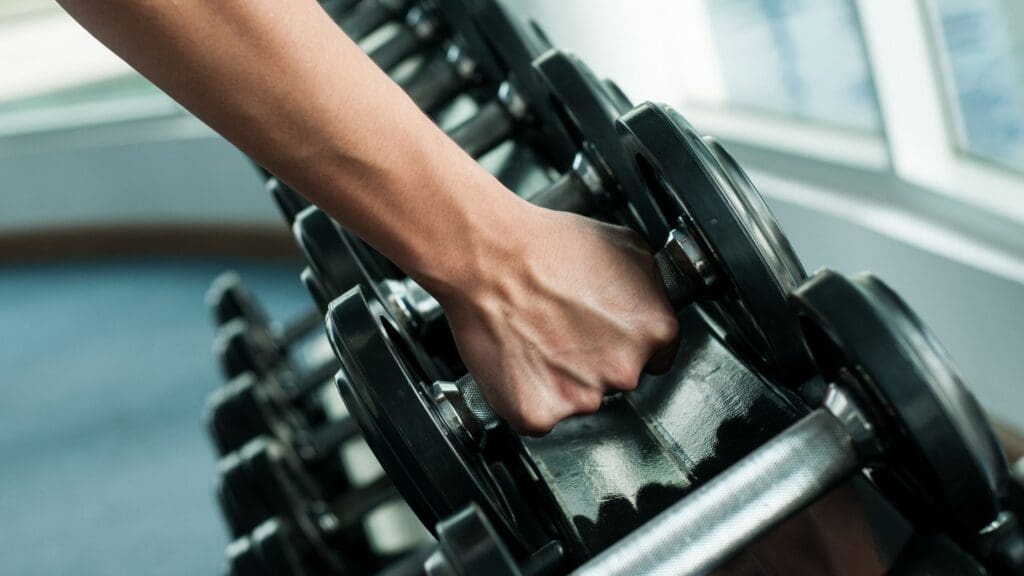
- Excessive or compulsive exercise, especially resistance training
Eating-Related Behaviors
- Episodes of binge eating, often followed by guilt or shame
- Purging behaviors such as vomiting or laxative misuse
- Severe restriction or skipping meals
- Compensatory behaviors to “undo” eating (exercise, fasting, restriction)
Emotional and Psychological Signs
- Distorted body image or persistent dissatisfaction with appearance
- Intense fear of weight gain or loss of muscle
- Depression, anxiety, or irritability
- Increased substance use, which commonly co-occurs with eating disorders
Higher-Risk Groups
Some populations face increased vulnerability, including:
- Athletes and individuals in weight- or appearance-focused sports
- Gay and bisexual men, who have more than twice the odds of meeting eating disorder criteria
- Individuals with higher body weight, whose symptoms are often dismissed
Recognizing these signs of eating disorder in males early can make a meaningful difference in recovery outcomes.
Frequently Asked Questions
What causes eating disorders in males?
Eating disorders are complex and rarely have a single cause. They develop from a combination of genetics, psychological factors (such as perfectionism or anxiety), social influences, trauma, and cultural pressures around body image and masculinity.
Are eating disorders a mental illness?
Yes. Eating disorders are recognized mental health conditions with serious physical and psychological consequences. They are not a choice and they require appropriate treatment and support.
Are eating disorders on the rise?
Rates of disordered eating and body dissatisfaction appear to be increasing across genders, particularly among adolescents and young adults. Greater exposure to social media, fitness culture, and appearance-based comparison likely plays a role.
Are eating disorders curable?
Recovery is possible. While some people may experience lingering thoughts or vulnerabilities, many individuals go on to live full lives with food and body image no longer controlling them. Early intervention and specialized care greatly improve outcomes.
Summary: Signs of Eating Disorder in Males
Eating disorders in males are real, common, and often hidden within societal norms. Because symptoms don’t always match outdated stereotypes, many men go undiagnosed or unsupported for far too long.
Understanding the signs of eating disorder in males- from compulsive exercise and supplement use to binge eating and rigid food rules- can help individuals and loved ones recognize when something isn’t right.
If any of this resonates with you or someone you care about, know that help is available and recovery is possible. Working with an eating disorder dietitian can provide structure, education, and compassionate support through the healing process.
Book a free call with us to get started!
Signs of Eating Disorder in Males